
HIGH QUALITY MINIATURE PRODUCTION
Welcome to the pinnacle of architectural and artistic miniaturization. On this page, we explore the intricate process behind the production of high-quality miniatures and explain why our premium polyurethane models stand in a league of their own. We also share essential insights for entrepreneurs who want to build a miniature park, so they can create successful and long-lasting miniatures.
What Matters in Miniature Production?
Realism in the miniaturization of historic and architectural structures requires more than technical skill; it demands a deep artistic vision, aesthetic mastery and an eye that can see unique details. While standard architectural models focus only on scale, a true miniature brings history to life — and the fundamental difference lies in materials and craftsmanship.
For us, detailing is not just a job; it is a way of life. Seeing and executing fine details requires a trained eye and endless patience. Creating museum-quality miniatures is a passion-driven art form that must constantly evolve. Through continuous Research and Development (R&D), we perfect our polyurethane formulas to ensure that our works stand the test of time.
Our ultimate goal is to create lasting legacies. We build masterpieces that captivate children and adults alike with their timeless beauty, designed to be passed on to future generations.
Quality in the Details: A Side-by-Side Comparison


Generous Use of Materials and Uncompromising Detail Above: This video shows how generously we use premium materials in the making of fairy tale figures, while close-up shots highlight our intricate modelling techniques.
MiniatureArt vs. “The Others”: The Difference in Material Quality and Detail

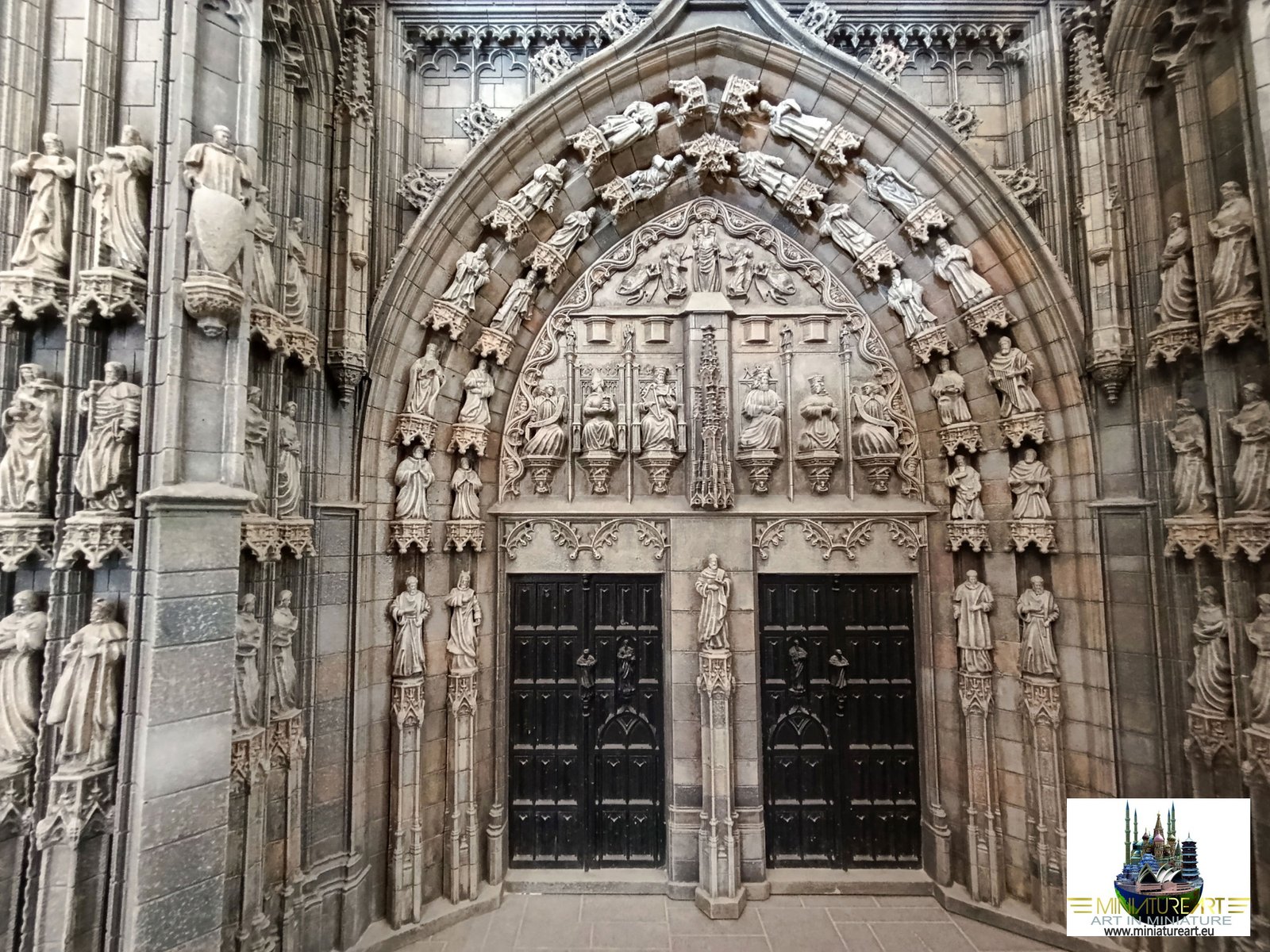
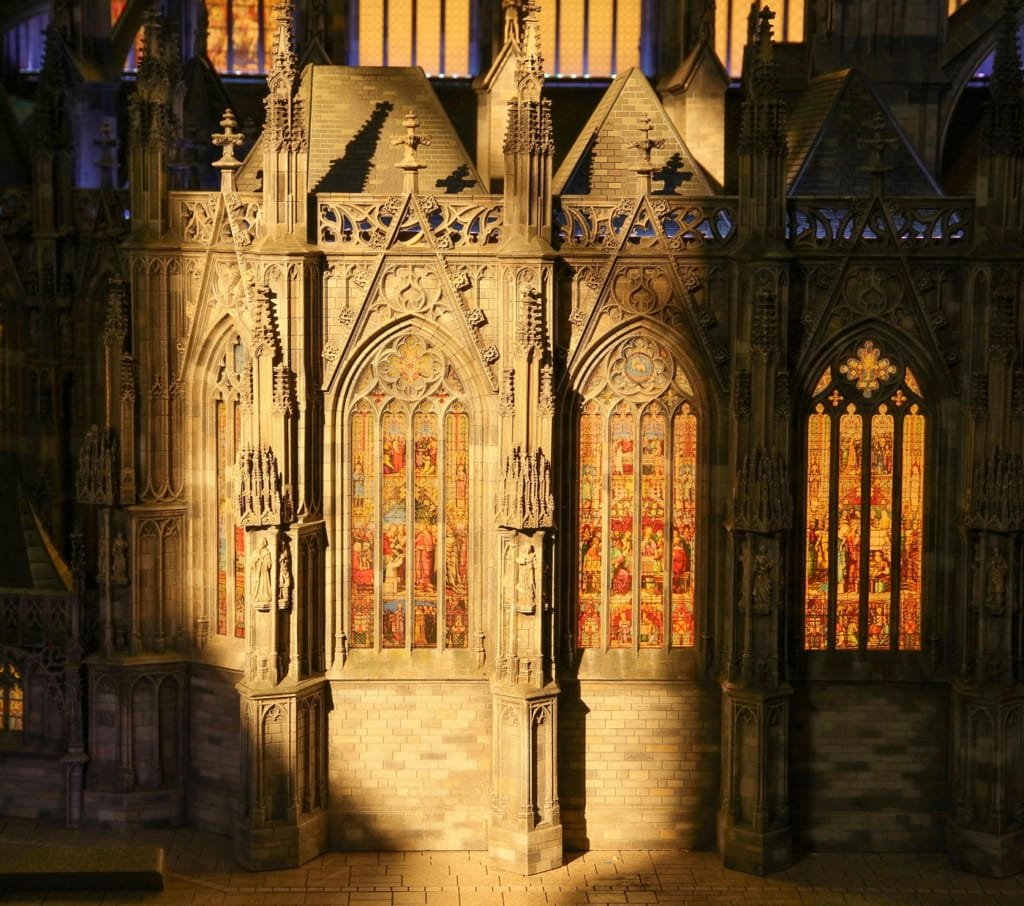
Layered Gluing vs. Detailed Carving These two images compare models of a Gothic cathedral. The model on the left was made by a French manufacturer and relies on basic fiberglass and plexiglass materials. The model on the right showcases our high-quality polyurethane carving. The difference is striking. Beyond the superior quality of material and paint, the realism and fine craftsmanship of our model are unrivalled. To give an example, this façade alone of the cathedral on the right features 65 different hand-carved sculptures.
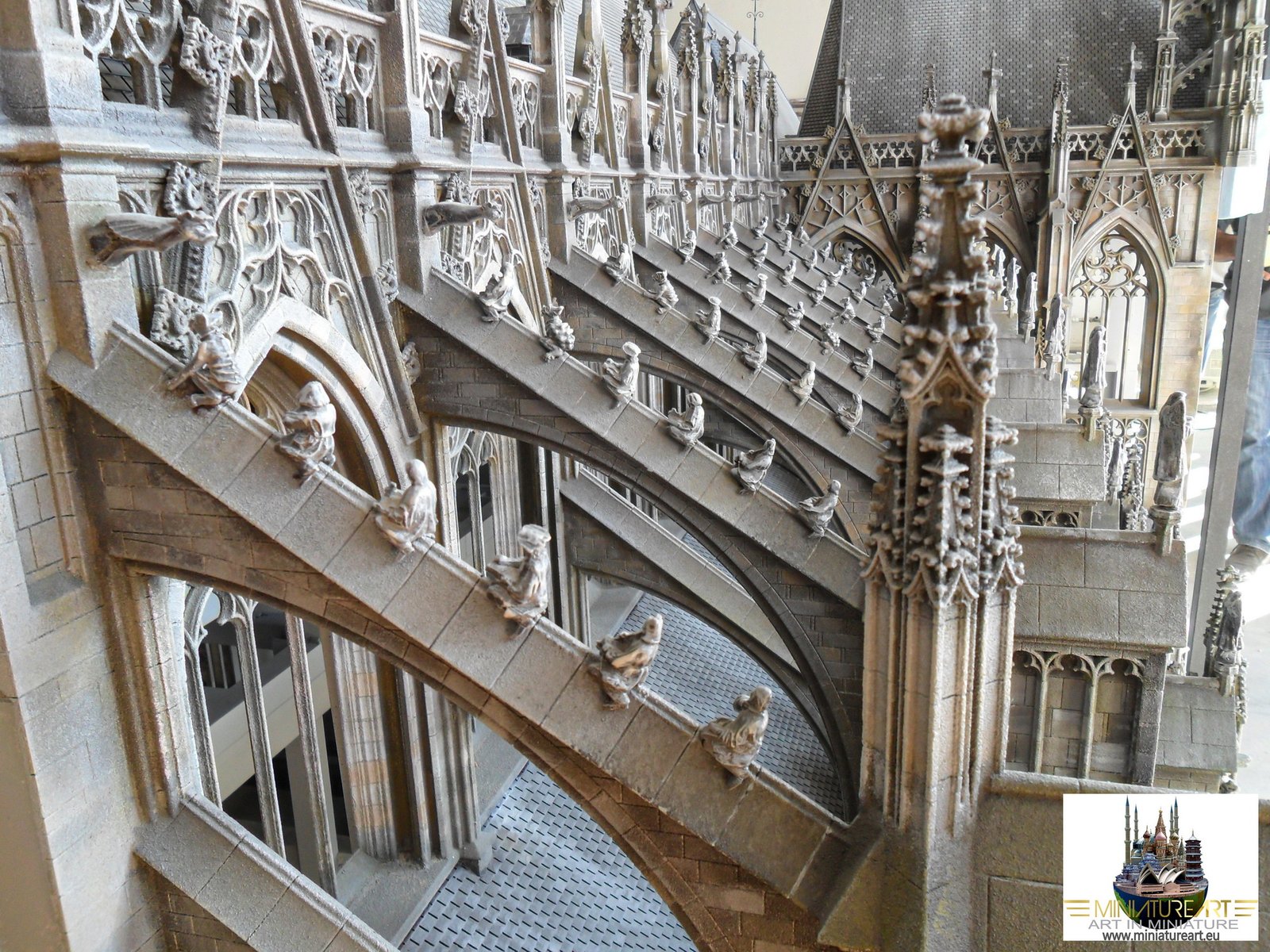
Stacked Gluing Technique vs. Material Carving: The same contrast in quality is clearly visible here. The image on the left shows a standard architectural modelling technique — stacking and gluing 3 mm thick plexiglass sheets to create an illusion of depth. In contrast, the image on the right showcases our true miniature technique. Every architectural detail, texture and curve is carefully carved directly into a solid polyurethane block, creating a flawless, true-to-life structure.



Amateur Detailing vs. Master Sculpting The visual evidence speaks for itself. In the image on the left, the figures in the pediment are undefined; it is hard even to perceive them as human forms. On the right you see our work: the magnificent mythological sculptures and reliefs adorning the triangular pediment of the Ivan Vazov Opera House in Sofia, Bulgaria. Achieving this breathtaking level of detail required 196 hours of intensive sculpting for this section alone.
The Cost of Poor Workmanship, Miniature Repairs: From time to time, we are called in to rescue and repair low-quality, amateur work produced by standard project model makers. As both of these videos prove, professional miniature production is a highly specialized field. Damage that occurs just three months after installation is rarely only cosmetic; resolving these structural failures usually requires producing the entire piece again from scratch.
5 Golden Rules for Successful Miniature Park Projects
Before investing in a miniature park or a large-scale model project, it is vital to partner with the right manufacturer. Here are five essential rules to ensure the success of your project:
1. Verify the Manufacturer’s Track Record and Reliability Carefully check the references on the manufacturer’s website. Make sure they have a proven track record of accuracy, customer satisfaction and reliable after-sales maintenance. Most importantly, find out whether they have faced any financial, legal or contractual penalties because of serious project delays.
2. Scrutinize Delivery Times Research whether their previous projects were completed on time. Unfortunately, the industry is familiar with disastrous delays in which projects contracted for 10 months took 32 months to deliver.
3. Carry Out On-Site Reference Checks Do not just read documents — if possible, personally visit the projects they have completed. Seeing the models on site years after installation is the best way to assess their real durability.
4. Inspect the Workshop and the Team Visit the manufacturer’s production facility. Assess whether their work areas are professionally equipped and whether they employ a qualified, expert and dedicated team of craftsmen.
5. Demand Strict Technical Specifications Comprehensive technical specifications are the most critical data for every manufacturer bidding on a project. Prices, workmanship and production times vary greatly depending on the materials used. When a supplier proposes “polyurethane”, the exact hardness, heat resistance and density must be specified. The same strict rules apply to adhesives and exterior-grade paints.
Conclusion: The Importance of Uniform Standards In short, a logical and fair price comparison between bidders is only possible when every manufacturer bids on the basis of the same strict technical specifications. To protect your investment, we strongly recommend obtaining these specifications from well-established, large-scale local and international miniature parks.
How is a historic monument miniature produced?
Production begins with the evaluation of photographs, measurements and architectural drawings of the real building. A digital model is prepared according to the target scale; façades, roofs, reliefs and small architectural elements are worked out in the same proportion. Shaping the material, detailing, assembly and painting together create the overall appearance of the model.
An open-air miniature and an indoor museum exhibit have different needs. The model’s location, the visitor’s viewing distance, its service life and maintenance access are considered together when choosing production and surface treatments. Our gallery of historic monument models shows examples of this approach across different types of buildings.
Production planning for miniature parks and museum collections
From a single building model to a collection in which many works are exhibited together, the scope of production is prepared specifically for each project. For miniature parks, models are designed together with the site layout; for archaeological and historical museum exhibitions, they are designed together with the exhibition narrative. You can learn about our approach to material development in our R&D and expertise section.
For a project assessment, you can share the list of buildings, images and drawing files, the scale, exhibition conditions and the target delivery date. Discuss your miniature production needs with us.